At just 15 years old, Brady is a young man with enormous potential. He carries big aspirations for his future, including a dream to join the army, and beneath his calm presence is a strength, determination, and drive that becomes clearer each time he chooses to take a positive step forward.
But the road to this point hasn’t been easy. Brady has faced a combination of internal and external challenges that made the path to his goals feel difficult to navigate. ADHD, impulsivity, and difficulty regulating emotions often created internal barriers that made decision-making harder. Externally, past court charges, Youth Justice involvement, and strict requirements like 24/7 lock-down conditions placed additional pressure and scrutiny on him. Fear of trying new things and uncertainty around how to channel his energy constructively also prevented him from stepping confidently into the life he wanted.
Despite this, Brady knew he didn’t want his past to define him. He wanted to learn how to manage anger, reduce offending behaviour, and make choices that aligned with the person he hoped to become. Most importantly, he wanted to start building a future where his actions reflected his values, not his circumstances.
Brady entered Youth Encounter’s 1-on-1 Activity Therapy programme with this commitment in mind. Over eight weeks, he engaged in a mix of activity-based therapy, therapeutic kōrero, and structured skill-building. Each session helped him explore practical coping strategies, emotional regulation tools, meaningful goal-setting, and the connection between his daily decisions and his long-term aspirations. Our conversations often circled back to one key truth; that he could choose a new path, and he didn’t have to let past mistakes shape the rest of his life.
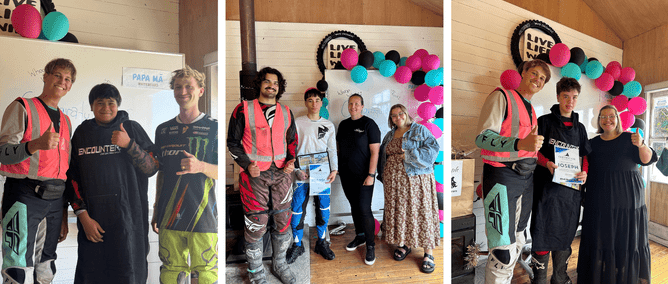
Throughout the programme, Brady showed remarkable courage. He consistently stepped outside his comfort zone, confronted fears, and leaned into new experiences that initially felt challenging. His openness during kōrero, his willingness to reflect honestly on his behaviour, and his determination to take responsibility for his actions stood out each week. His reliability and maturity even earned him small responsibilities during sessions, which he handled with integrity and care.
Behind the scenes, Brady was also taking practical steps to address his Youth Justice matters. He worked hard to meet the requirements placed on him, including managing 24-7 lock-down conditions, and he remained focused on the long-term goal of turning his life around.
By the end of the eight weeks, Brady had not only completed the programme but demonstrated genuine growth in emotional regulation, goal-setting, resilience, and self-awareness. He walked away with practical tools to manage anger, make thoughtful decisions, and stay aligned with the future he is working towards.
Today, Brady is choosing opportunities instead of old patterns. He is choosing responsibility instead of impulsivity. He is choosing to look forward rather than backward. And he is choosing a new path. One that reflects his values, aspirations, and the young man he is becoming.
Brady’s journey shows the transformative power of potential unleashed when courage and commitment meet action. His willingness to embrace challenge has turned barriers into opportunities, and he is stepping confidently toward the life he aspires to lead.